What is third wave coffee?
Before we even get to that question, it is best to answer the obvious: what is the first and second wave of coffee?
Coffee is one of the world's most valuable and pervasive commodities, growing from a tiny consumer pool of wealthy intellectuals, into the cups of everyone around the world - and now being reinvented as an artisanal food rather than a mass commodity.
The shift to sustainability, fair trade, creative techniques and diverse flavour profiles can easily be compared to the Craft Beer and Microbrew revolution occurring right now around the world.
First Wave~
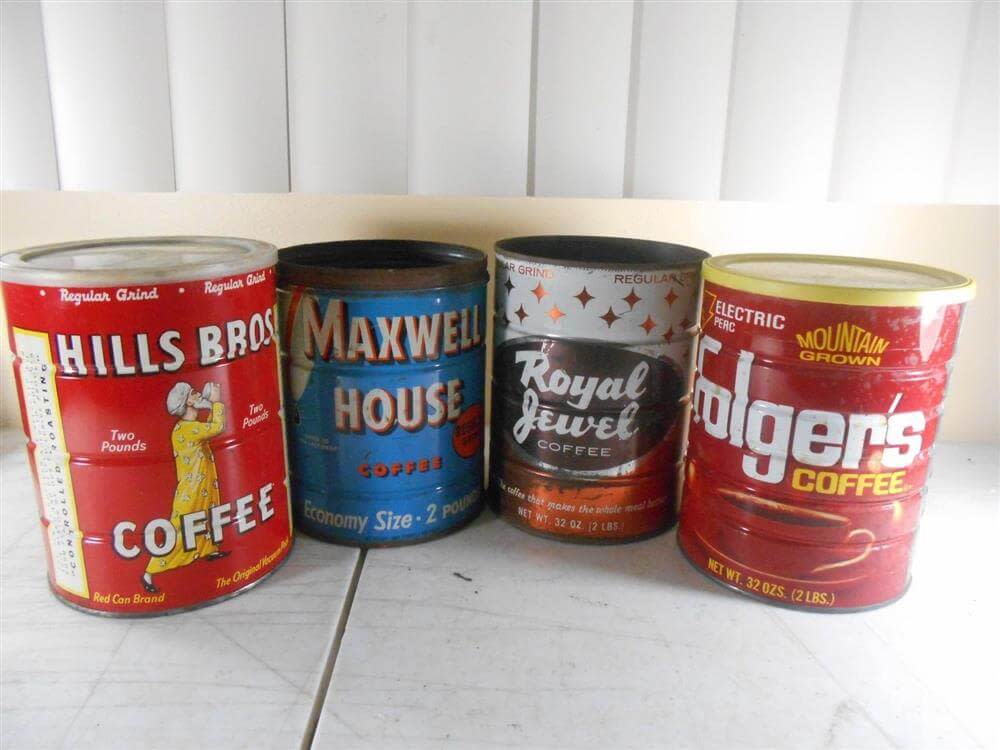
Vintage canisters of producers from the first wave.
The first wave came around when coffee became a commercial entity with high daily consumption. Think Folgers or Maxwell House. The idea was around quick and fast, and quality was not a consideration. The creation of vacuum packaging and instant coffee swept across the U.S. and became a common commodity in every household.
Second Wave~~

Starbucks is symbolic of second wave coffee culture.
Enter the second wave. Sparked with a desire for quality and coffee education, specialty coffee, second wave saw espresso come into the mainstream. The movement become bloated by the infamous specialty drink (ie non fat soy latte) and huge coffee retailers such as Starbucks popped up everywhere providing more variety, a focus on upping the quality of traditional providers (like Nabob, Maxwell House) and a larger focus on bean origins.
Entering Third Wave~~~
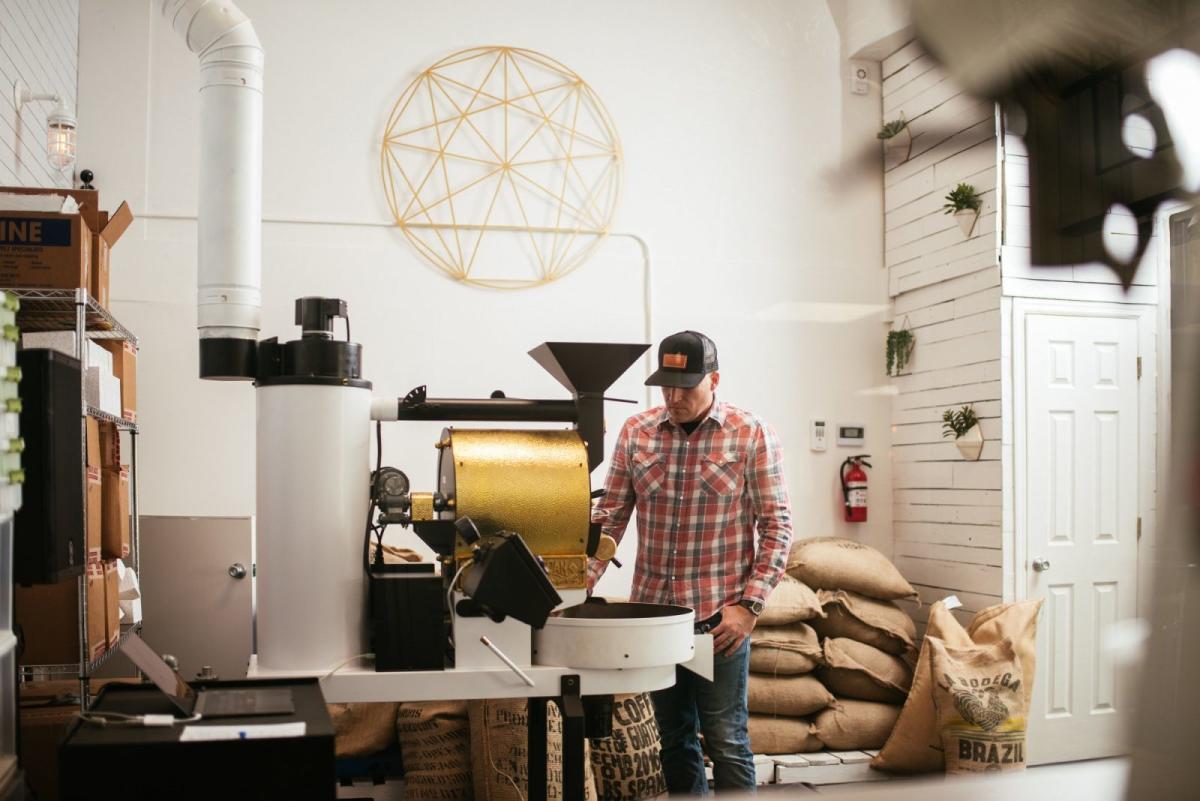
The independent speciality roaster is at the core of third wave coffee.
The third wave entered the scene with a shift in focus. Now the consumer and marketer were not at the front of the movement: the coffee was. This new evolution really takes into account the social implications of the coffee industry, Emphasizing transparency, sustainable farming practices and bean origins. In the third wave independent roasters are at the centre, with priorities set on appreciating excellence in quality, innovation and complexity.
Fair trade and sustainable practises are critical, small roasters rule, and understanding where your coffee comes from and how it is made is the core of the third wave. Roasters like Demello Palheta, Detour, Reunion Island, Propellor and others lead the Canadian movement.
Is there a fourth wave? With the movement to online purchasing, the fourth wave is hitting its stride. New brewing methods, the art of the barista, and the experience of coffee mapped from farm to brew mark the artisanal fourth wave.
You can see the art of the barista first hand this weekend during the National Barista Competition in collaboration with Beanstock on May 26th and 27th.